
- MEDThrive™
- Shop
- HydraCell AMINO™
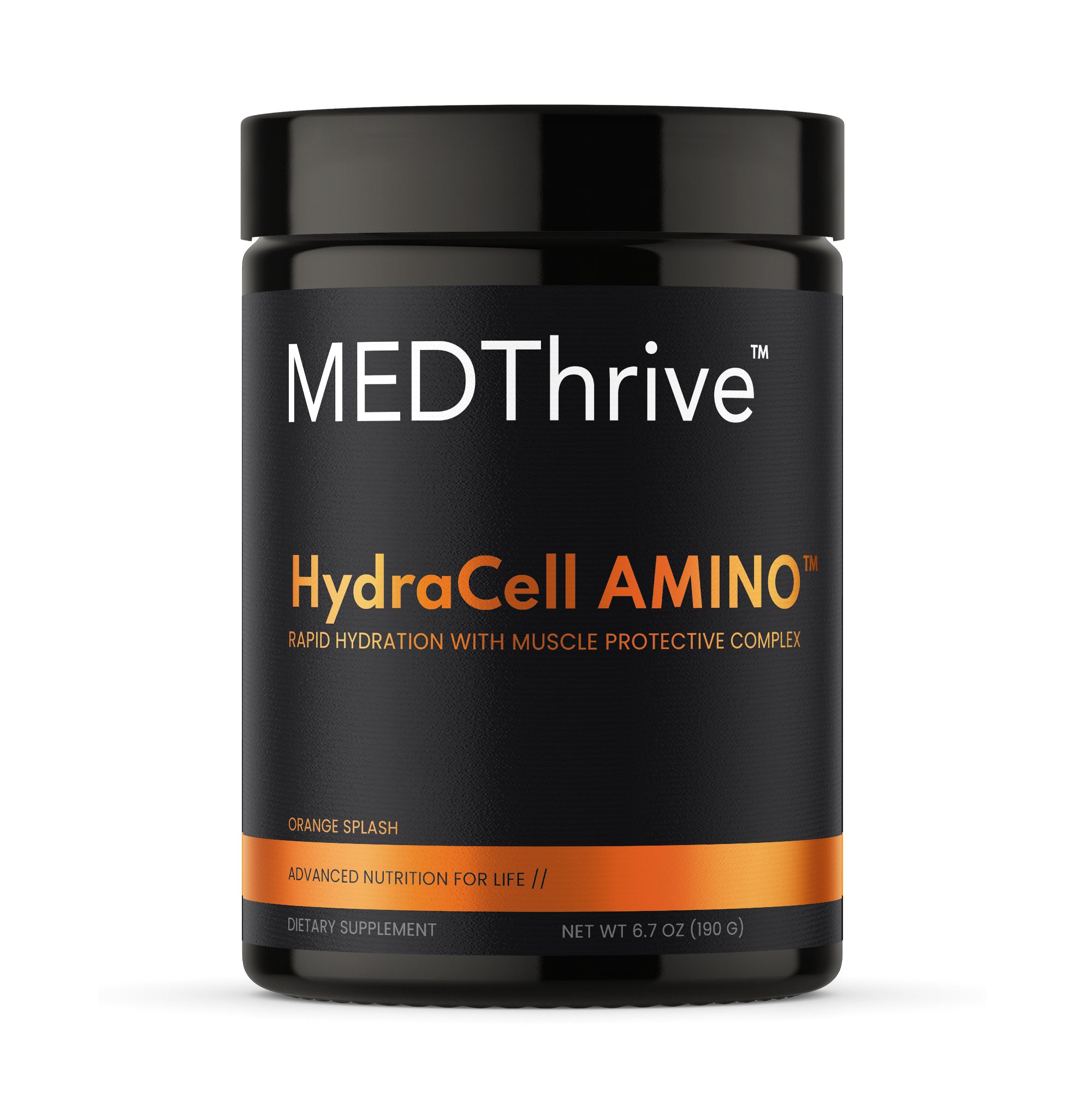
HydraCell AMINO™
Rapid Hydration with Muscle Protective Complex
Available in: Refreshing Orange Splash Flavor
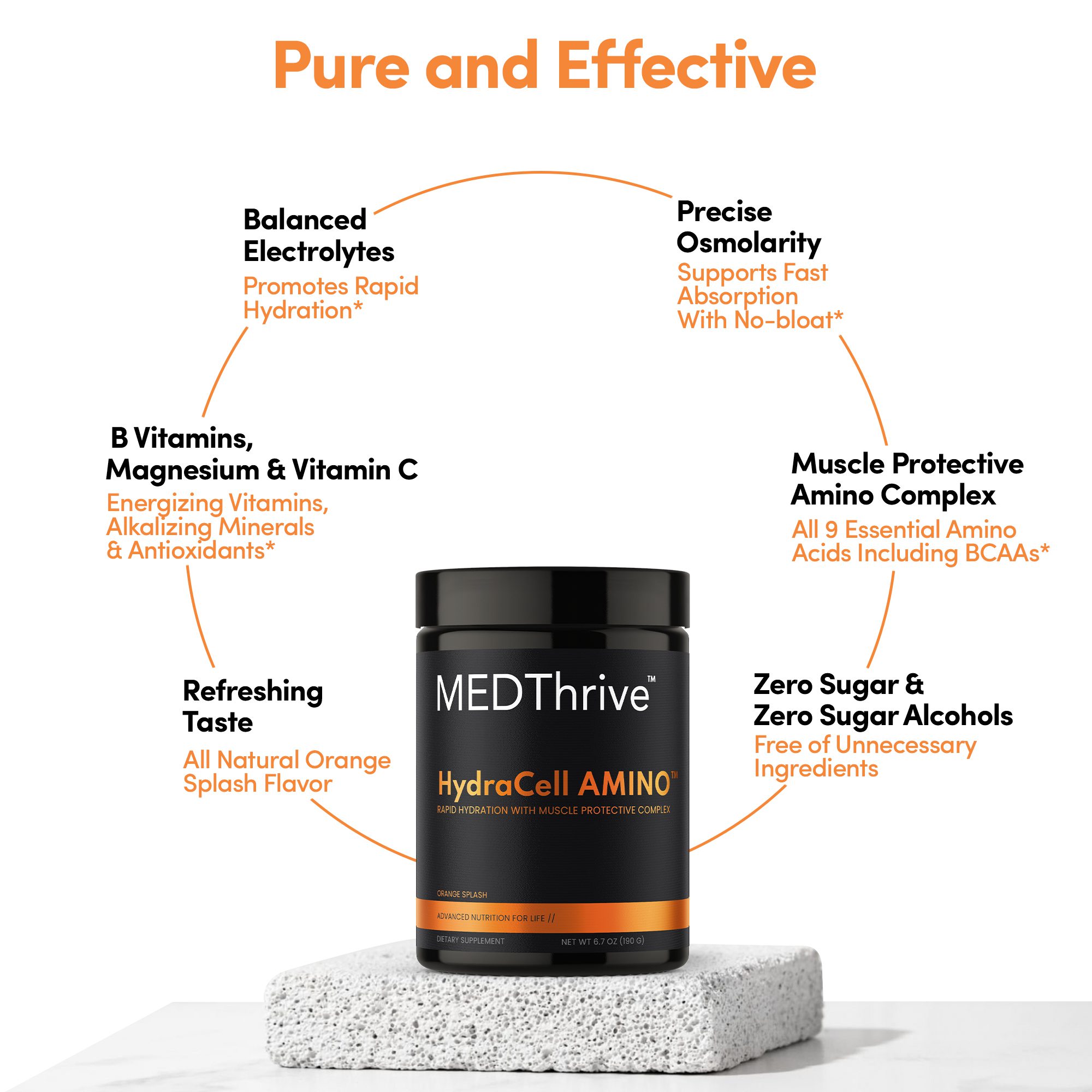
Benefits:- Promotes Rapid Hydration*
- Balanced Electrolytes*
- Precise Osmolarity for No-Bloat*
- Muscle Protective Amino Complex*
- 9 Essential Amino Acids including BCAA’s*
- Zero Sugar / Zero Sugar Alcohols
FREE FROM

Wheat, Soy,
Eggs

Artificial Colors, Sweeteners & Flavors

GMO FREE

Unnecessary Binders &
Fillers

Tree Nuts, Peanuts
& Sesame

Magnesium
Stearate

Gluten Free

Trans Fat &,
Hydrogenated Oils
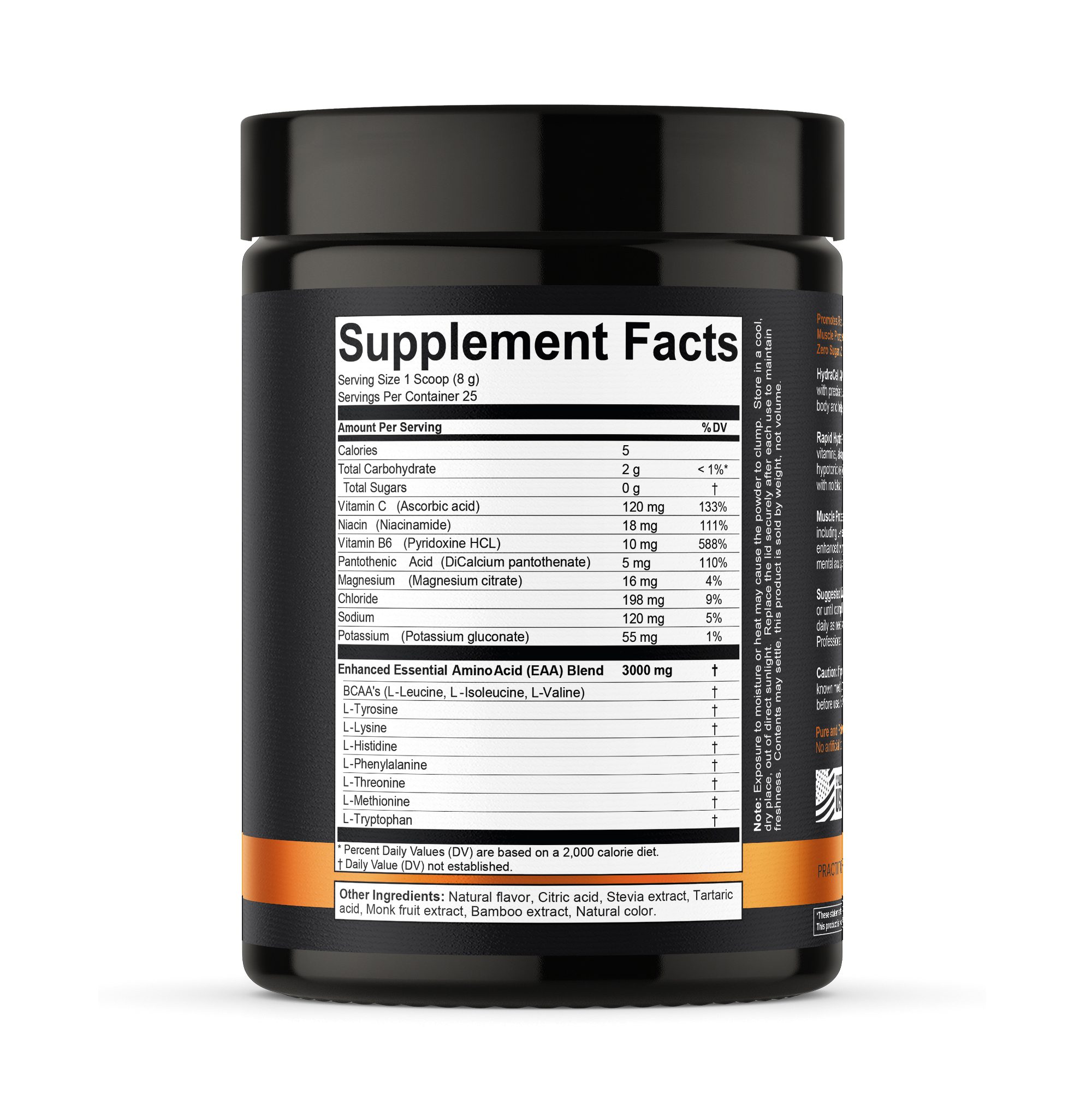
HydraCell AMINO™ is a science-based, refreshing, and superior way to efficiently and rapidly hydrate nearly every cell in your body as well as help protect vital lean muscle. It is scientifically designed as a rapidly absorbing, no-bloat, hypotonic solution, providing a precise amount of vital electrolytes, energizing vitamins, alkalizing minerals, and antioxidants as well as an enhanced essential amino acid blend with precise osmolarity.*
Suggested Use: Mix with 10-14 oz cold water for 30 seconds or until completely dissolved. Consume at least one serving daily as needed, or as directed by your Healthcare Professional.
Warning: If pregnant, nursing, taking medication or have a known medical condition, consult a Healthcare Professional before use.
HydraCell AMINO™
Hydration is proven to be the most important aspect of human health and performance. HydraCell AMINO™ is a refreshing, scientifically validated way to keep yourself in peak condition by maintaining hydration or to support rapid rehydration.
1.Balanced Electrolytes: Promote Rapid No-Bloat Hydration*
HydraCell AMINO™ takes the guesswork out of how to hydrate properly. Staying hydrated helps you feel better, less bloated and less nauseous. Hydration is critical from the skin to the cellular level. The body needs electrolytes to function properly. Electrolyte balance allows your cells to transfer nutrients efficiently, subsequently supporting many vital metabolic functions.
Dehydration can leave you feeling fatigued, contributing to gut discomfort, nausea, headaches, rapid heart rate and dry mouth/skin. However, more isn’t always better with electrolytes as some popular hydration drinks try to convince you. Too many electrolytes can actually draw water to your stomach (away from the muscles & skin), bloating you and impairing gastric emptying. Therefore, it is important to get the amount and balance of electrolytes right.
Achieving optimal hydration involves more than just consuming water; it requires a precise balance of electrolytes and proper osmolarity in a drink. Electrolytes (sodium, potassium, chloride & magnesium) are charged ions crucial for maintaining cellular function, fluid balance, and overall hydration status within the body. Scientific studies consistently emphasize the importance of a precise electrolyte balance in promoting effective hydration. For instance, sodium and chloride play key roles in fluid retention and distribution, influencing extracellular and intracellular water levels (Armstrong, 2007). Meanwhile, potassium regulates cellular hydration and helps counterbalance the effects of sodium, contributing to fluid balance (Nielsen & Popkin, 2004). Magnesium enhances hydration by supporting neuromuscular function and influencing fluid movement across cell membranes (Shirreffs & Maughan, 1998).
In addition to electrolyte balance, osmolarity, or the concentration of solutes in a solution, is a critical factor in hydration. Scientific evidence highlights the significance of maintaining proper osmolarity in beverages to ensure optimal fluid absorption in the gastrointestinal tract (Maughan, 1999). A drink with the right osmolarity facilitates efficient fluid uptake, preventing potential issues such as gastrointestinal discomfort and delayed gastric emptying or bloating, which could hinder the absorption of water and electrolytes (Maughan & Shirreffs, 2007). Achieving a precise balance of electrolytes and osmolarity in a beverage enhances the absorption of fluids at the cellular level, promoting effective, rapid hydration. In addition, research shows that solutions between 6-8% offer optimal absorption of fluids. This precise osmolarity is how HydraCell AMINO™ is designed.
2. Muscle Protective Complex: All 9 Essential Amino Acids Including BCAAs*
HydraCell AMINO™ distinguishes itself from conventional electrolyte drinks by providing a “Muscle Protective Complex”. This unique amino complex adds support for your lean muscle and stress reduction. Amino acids are the fundamental building blocks of lean muscle, and Essential Amino Acids (EAAs) are particularly import because they can’t be synthesized by the body. Therefore, acquiring these amino acids through dietary sources or supplements is crucial for muscle health. The nine EAAs are histidine, isoleucine, leucine, lysine, methionine, phenylethylamine, threonine, tryptophan, and valine. EAAs are pivotal in enhancing the rate of muscle protein synthesis, facilitating the repair of lean muscle, and reducing muscle soreness. Scientific studies showcase that post-exercise supplementation of EAAs, mitigates muscle damage and inflammation, commonly known as Delayed Onset Muscle Soreness (DOMS), thereby expediting the recovery process.
L-Histidine was included for its ability to detox the body via chelation, scavenging of ROS and that it may help improve metabolic syndrome. This was demonstrated in a 2013 study of 100 women where researchers believe it helped lower insulin resistance, inflammation, and oxidative stress. Another meta-analysis found it reduced glucose and A1C levels.
HydraCell AMINO™ provides a substantial dose of Branched Chain Amino Acids (BCAAs). BCAAs hold particular significance because they are directly utilized by the muscles, bypassing the liver. This uniquely enables BCAAs to serve as a direct energy source. By utilizing BCAAs for energy, the body becomes better equipped to protect hard-earned lean muscle, preventing its breakdown for energy purposes—an effect known as Anti-Catabolism. Additionally the Muscle Protective Complex is zero calorie. This means it provides rapidly bioavailable protection to your muscle like protein does but without the calories. Furthermore, HydraCell AMINO™ can be used by those who want to drink a hydration product without breaking a fasted state.
L-Tyrosine was added to the mix of amino acids in HydraCell AMINO™ because of its wide range of beneficial effects. It has been shown to help reduce stress, boost mood, enhance cognitive function, reduce fatigue and improve metabolism. It is a non-essential amino acid that serves as a precursor for neurotransmitters such as dopamine, norepinephrine, and epinephrine. Studies suggest that tyrosine plays a role in supporting cognitive function under conditions of stress and has been explored for its potential antidepressant effects. Dopamine and norepinephrine are neurotransmitters associated with mood regulation, and their synthesis is dependent on tyrosine availability.
3. B Vitamins, Magnesium & Vitamin C: Energizing Vitamins, Alkalizing Minerals & Antioxidants*
B Vitamins, Magnesium, and Vitamin C are all vital components in promoting energy, alkalinity, and antioxidant defenses, as substantiated by scientific literature. The B Vitamins, B3 (niacin), B5 (pantothenic acid), and B6 (pyridoxine), play a crucial role in cellular energy production. Research indicates their involvement as cofactors in key metabolic pathways, facilitating the conversion of carbohydrates, fats, and proteins into ATP, the primary energy currency of cells (Smith et al., 2019).
Magnesium, recognized as an alkalizing mineral, exerts its influence on energy metabolism and acidity balance. Studies have demonstrated its participation in enzymatic reactions associated with ATP synthesis and its role in maintaining cellular pH homeostasis (Swaminathan, 2003; de Baaij et al., 2015). Additionally, magnesium’s support for muscle and nerve function contributes to overall energy efficiency. Its ability to help maintain an alkaline environment is crucial for pH homeostasis, influencing cellular processes and overall physiological balance. Research suggests that adequate magnesium intake may contribute to the prevention of chronic diseases, including cardiovascular conditions, and support bone health (de Baaij et al., 2015; Rosique-Esteban et al., 2018). The alkalizing effect of magnesium promotes an environment that may help mitigate the risk of acid-base imbalances and their associated health implications, while also helping to reduce joint discomfort and promoting mind & muscle relaxation, fostering overall well-being.
Vitamin C, renowned for its antioxidant prowess, has been extensively studied for its role in neutralizing free radicals and mitigating oxidative stress. Research highlights its capacity to protect cells from oxidative damage and its contribution to collagen synthesis, crucial for the integrity of skin, joints and cartilage (Carr & Frei, 1999; Padayatty & Levine, 2016). Together, these scientific findings underscore the critical contributions of B Vitamins, magnesium, and Vitamin C to energy production, alkalinity maintenance, and antioxidant defense mechanisms within the body.
Special Note for Those Using GLP-1 Medications
It is essential to stay hydrated while using GLP-1 medications. Dehydration while taking GLP-1 medications may be partially attributed to the reduced fluid intake and slow gastric emptying. When gastric emptying is significantly delayed (Gastroparesis, a common side effect of GLP-1 medications), electrolyte therapy is believed by researchers to be a key intervention. A recent study stated “The therapeutic options for motility disturbances in… patients include the adjustment of electrolyte imbalances.”*
The Importance of Hydration
The human body is reliant on water to live and be healthy. Beyond merely quenching your thirst, consuming water is essential to your well-being. Every cell, tissue, and organ requires water for optimal functionality. Prioritizing a consistent and adequate intake of pure, clean water should be everyone’s #1 fundamental health priority.
Water of hydration in the body is lost through sweat, breathing, and eliminating waste. The average person loses about 60-100 ounces of water a day. The downside is one can dehydrate easier and faster than one can rehydrate. Dehydration is sneaky and can leave you feeling tired and unfocused to flat-out terrible. In fact, we can last up to six weeks without food, but only one week without water. Further, it can take up to 72 hours or more to rehydrate once a person is dehydrated. A smart health and performance strategy is to stay ahead of it by keeping a consistent water intake.
Virtually all major body systems rely on water to function. Given that water constitutes over 60% of your body weight, its impact on your body, health, performance and appearance is profound. The significance of adequate hydration cannot be overstated.
Some of the major functions of water in the body:
- Regulating Body Temperature
- Nutrient and Oxygen Transport: Is the main constituent of blood, carrying nutrients and oxygen to the cells and waste out.
- Plays a vital role in breathing
- Helps convert food into energy
- Moistens Tissues: Provides hydration to the skin, organs and muscles.
- Organ and Tissue Protection: Water acts as a protective barrier for organs and tissues.
- Joint Lubrication: Supports smooth joint movement, synovial fluid and reduces friction.
- Kidney and Liver Support: Aids in flushing out body waste, making it easier on the kidneys and liver.
- Supports the body’s natural detoxification process
- Mineral and Nutrient Accessibility: Water helps make these accessible to the body for absorption and utilization.
- Athletic performance. Dehydration can affect your flexibility, speed , endurance and decision making as well as helps avoid cramping. A 2001 study with runners found that every 2% of bodyweight loss from dehydration caused about a 6% reduction in performance. A 3-5% drop can result in cramps, headaches, and nausea, along with a drop in strength of up to 10%!
Common Dehydration Symptoms
Dehydration, or the insufficient intake of water to meet the body’s needs, can manifest through a range of symptoms indicating an imbalance in fluid levels. Common dehydration symptoms include:
- Thirst: The sensation of thirst is the body’s primary signal that it needs more fluids.
- Dark Urine: Concentrated and dark-colored urine may indicate dehydration, as the kidneys conserve water, leading to more concentrated waste products.
- Reduced Urination: Infrequent urination or noticeably smaller amounts of urine can signify dehydration.
- Dry Mouth and Dry Skin: Insufficient water intake may result in reduced saliva production, leading to a dry mouth. Dry and cool skin can also be indicative of dehydration.
- Fatigue and Weakness: Dehydration can cause a drop in blood volume, leading to reduced oxygen transport to muscles and tissues, resulting in fatigue and weakness.
- Dizziness or Lightheadedness: Insufficient fluid levels can affect blood pressure, potentially causing dizziness or lightheadedness.
- Headache: Dehydration may trigger headaches as the brain temporarily contracts from fluid loss.
- Rapid Heartbeat and Breathing: In an attempt to compensate for reduced blood volume, the heart rate may increase, and breathing may become more rapid.
- Sunken Eyes: Dehydration can cause a sunken appearance around the eyes due to reduced fluid levels.
- Confusion or Irritability: In severe cases, dehydration may impact cognitive function, leading to confusion or irritability.
- Constipation
It’s crucial to address dehydration quickly to prevent these symptoms from escalating into more severe medical complications. Once again, the smart health and performance strategy is to maintain hydration by keeping a consistent water intake.*
Nielsen, S. J., & Popkin, B. M. (2004). Changes in beverage intake between 1977 and 2001. American Journal of Preventive Medicine, 27(3), 205–210.
Shirreffs, S. M., & Maughan, R. J. (1998). Restoration of fluid balance after exercise-induced dehydration: effects of alcohol consumption. Journal of Applied Physiology, 84(5), 1552–1558.
Maughan, R. J. (1999). Fluid and electrolyte loss and replacement in exercise. Journal of Sports Sciences, 17(3), 243–260.
Maughan, R. J., & Shirreffs, S. M. (2007). Rehydration and recovery of fluid balance after exercise. Exercise and Sport Sciences Reviews, 35(3), 141–148.
Effect of a carbohydrate type and concentration and solution osmolality on water absorption. Med Sci Sports Exerc 27:1607-1615, 1995 7. Wemple et al. Int. J. Sports Nutr. 7:104-116, 1997 8. Agersborg and Shaw 1962, Hicks 1964, Gaby 1982
Smith, A. D., Smith, S. S., & Oommen, B. S. (2019). B Vitamins and Neurological Health. In Nutrition and Functional Foods for Healthy Aging (pp. 83-99). Academic Press.
Swaminathan, R. (2003). Magnesium metabolism and its disorders. The Clinical Biochemist Reviews, 24(2), 47–66.
de Baaij, J. H., Hoenderop, J. G., & Bindels, R. J. (2015). Magnesium in man: implications for health and disease. Physiological Reviews, 95(1), 1–46.
Carr, A. C., & Frei, B. (1999). Toward a new recommended dietary allowance for vitamin C based on antioxidant and health effects in humans. The American Journal of Clinical Nutrition, 69(6), 1086–1107.
Padayatty, S. J., & Levine, M. (2016). Vitamin C: the known and the unknown and Goldilocks. Oral Diseases, 22(6), 463–493..*
de Baaij, J. H., Hoenderop, J. G., & Bindels, R. J. (2015). Magnesium in man: implications for health and disease. Physiological Reviews, 95(1), 1–46.
Rosique-Esteban, N., Guasch-Ferré, M., Hernández-Alonso, P., Salas-Salvadó, J., & Dietary Magnesium and Cardiovascular Disease: A Review with Emphasis in Epidemiological Studies. (2018). Nutrients, 10(2), 168.
Shurtleff, D., Thomas, J. R., Schrot, J., Kowalski, K., & Harford, R. (1994). Tyrosine reverses a cold-induced working memory deficit in humans. Pharmacology, Biochemistry, and Behavior, 47(4), 935-941.
Deijen, J. B., & Orlebeke, J. F. (1994). Effect of tyrosine on cognitive function and blood pressure under stress. Brain Research Bulletin, 33(3), 319-323.
Gelenberg, A. J., & Gibson, C. J. (1984). Tyrosine for depression: A double-blind trial. Journal of Affective Disorders, 7(3-4), 283-289.
Harris R.Lieberman. National Institute of Health (1994). Tyrosine and Stress: Human and Animal Studies.
Holeček M. Histidine in health and disease: metabolism, physiological importance, and use as a supplement. Nutrients. 2020;12(3):848.
Feng RN, Niu YC, Sun XW, et al. Histidine supplementation improves insulin resistance through suppressed inflammation in obese women with the metabolic syndrome: a randomized controlled trial. Diabetologia. 2013;56(5):985-994. doi:10.1007/s00125-013-2839-7
Menon K, Marquina C, Liew D, Mousa A, de Courten B. Histidine-containing dipeptides reduce central obesity and improve glycemic outcomes: a systematic review and meta-analysis of randomized controlled trials. Obes Rev. 2020;21(3):e12975.
It is essential to stay hydrated while using GLP-1 medications. Dehydration while taking GLP-1 medications may be partially attributed to the reduced fluid intake and slow gastric emptying. When gastric emptying is significantly delayed (Gastroparesis, a common side effect of GLP-1 medications), electrolyte therapy is believed by researchers to be a key intervention. A recent study stated “The therapeutic options for motility disturbances in… patients include the adjustment of electrolyte imbalances.”*
The human body is reliant on water to live and be healthy. Beyond merely quenching your thirst, consuming water is essential to your well-being. Every cell, tissue, and organ requires water for optimal functionality. Prioritizing a consistent and adequate intake of pure, clean water should be everyone’s #1 fundamental health priority.
Water of hydration in the body is lost through sweat, breathing, and eliminating waste. The average person loses about 60-100 ounces of water a day. The downside is one can dehydrate easier and faster than one can rehydrate. Dehydration is sneaky and can leave you feeling tired and unfocused to flat-out terrible. In fact, we can last up to six weeks without food, but only one week without water. Further, it can take up to 72 hours or more to rehydrate once a person is dehydrated. A smart health and performance strategy is to stay ahead of it by keeping a consistent water intake.
Dehydration, or the insufficient intake of water to meet the body’s needs, can manifest through a range of symptoms indicating an imbalance in fluid levels. Common dehydration symptoms include:
- Thirst: The sensation of thirst is the body’s primary signal that it needs more fluids.
- Dark Urine: Concentrated and dark-colored urine may indicate dehydration, as the kidneys conserve water, leading to more concentrated waste products.
- Reduced Urination: Infrequent urination or noticeably smaller amounts of urine can signify dehydration.
- Dry Mouth and Dry Skin: Insufficient water intake may result in reduced saliva production, leading to a dry mouth. Dry and cool skin can also be indicative of dehydration.
- Fatigue and Weakness: Dehydration can cause a drop in blood volume, leading to reduced oxygen transport to muscles and tissues, resulting in fatigue and weakness.
- Dizziness or Lightheadedness: Insufficient fluid levels can affect blood pressure, potentially causing dizziness or lightheadedness.
- Headache: Dehydration may trigger headaches as the brain temporarily contracts from fluid loss.
- Rapid Heartbeat and Breathing: In an attempt to compensate for reduced blood volume, the heart rate may increase, and breathing may become more rapid.
- Sunken Eyes: Dehydration can cause a sunken appearance around the eyes due to reduced fluid levels.
- Confusion or Irritability: In severe cases, dehydration may impact cognitive function, leading to confusion or irritability.
- Constipation
It’s crucial to address dehydration quickly to prevent these symptoms from escalating into more severe medical complications. Once again, the smart health and performance strategy is to maintain hydration by keeping a consistent water intake.*