
- MEDThrive™
- Shop
- DAILY SUPERFOOD™
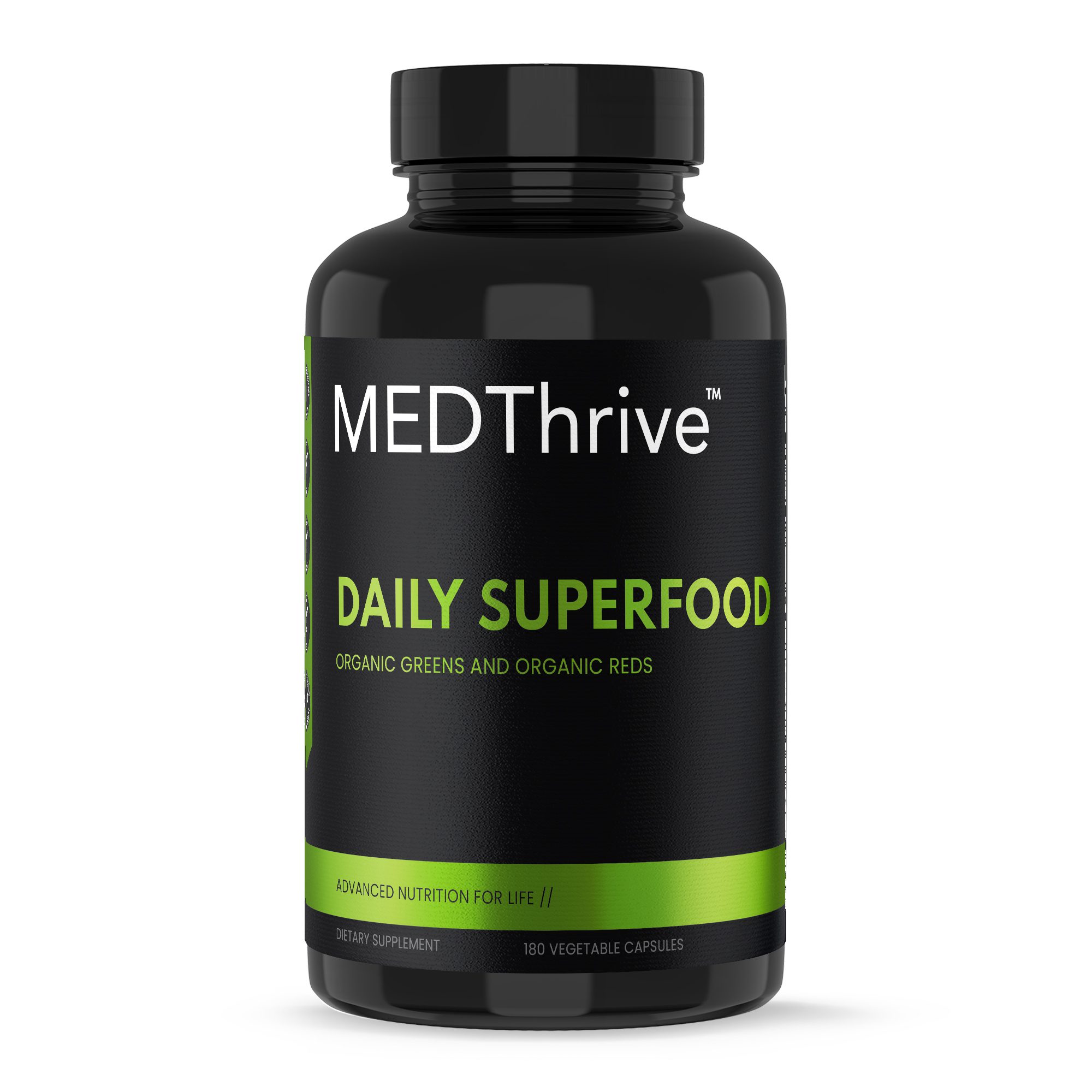


DAILY SUPERFOOD™
Organic Greens and Organic Reds
Available in: 180 ct Capsules
Benefits:- Supports Energy, Vitality & Cognition*
- Boosts Immune, Cellular, Gut & Digestive Health*
- Helps Modulate Stress & Improve Sleep*
- Promotes Healthy Bones & Joints*
- Fortified Vitamin D and Naturally Occuring Vitamin K2 to Provide Daily Nutrient Support*
- Organic Fruits and Vegetables
FREE FROM

Wheat, Soy,
Eggs

Artificial Colors, Sweeteners & Flavors

GMO FREE

Unnecessary Binders &
Fillers

Tree Nuts, Peanuts
& Sesame

Magnesium
Stearate

Gluten Free

Trans Fat &,
Hydrogenated Oils
Daily Superfood™ is a whole food, carefully curated, complete daily superfood blend of organic vegetables and organic fruits, fortified with Vitamin D. Daily Superfood™is densely packed with a full spectrum of naturally occurring nutrients (vitamins, minerals, antioxidants & more) and bioactive compounds that support total body health.*
Suggested Use: Take one serving daily, or as directed by a Healthcare Professional.
Warning: If pregnant, nursing, taking medication or have a known medical condition, consult a Healthcare Professional before use.
Health professionals universally agree that getting an adequate intake of fruits and vegetables promotes overall health. It is also universally agreed that the healthiest way to get vitamins, minerals, and antioxidants is from real food. Choosing fruits and vegetables over chemically synthesized multivitamin supplements provides a myriad of health benefits due to the synergistic interactions and bioavailability of nutrients found in whole foods. Fruits and vegetables are not just sources of individual vitamins and minerals; they also contain fiber, antioxidants, phytonutrients, and other bioactive compounds that work together to support overall health. The complex matrix of nutrients found in whole foods is thought to contribute to better absorption, utilization, and interaction within the body (Jacques, 1999).
Scientific studies have shown that a diet rich in fruits and vegetables has been associated with a reduced risk of chronic diseases, including cardiovascular disease, certain cancers, and age-related conditions (Hu et al., 2002; Boeing et al., 2012). The diverse array of compounds present in whole foods, such as flavonoids, carotenoids, and polyphenols, may contribute to these health benefits through their antioxidant, anti-inflammatory, and immune-boosting properties (Wang,2014).
However, getting a large variety of these foods everyday is challenging. Daily Superfood™ makes this easy and convenient in just a few organic nutrient packed, vegetable capsules. Our unique formula also provides you with an extensive array of phytonutrients, polyphenols and bioactive compounds that can have a dramatically beneficial effect on your energy, health and mood. Once again, MEDThrive brings you a superior, carefully curated, science-based formula with the finest ingredients available.*
Each Serving of Daily Superfood™ Contains:
- Potent Antioxidants and Detoxifiers including Chlorophyll
- Full Spectrum of Vitamins, Fortified with Vitamin D
- Full Spectrum of Minerals
- Amino Acids
- Bioactive Phytonutrients
- Bioactive Polyphenols
- Cellular Health Boosting Compounds such as Superoxide Dismutase (SOD) and P4D1
1.Potent Antioxidants and Detoxifiers including Chlorophyll
Using Daily Superfood helps combat Oxidative stress because it is packed with antioxidants. Antioxidants combat oxidative stress. This stress is caused from free radicals which are unstable molecules that can cause damage to cells and tissues as well as contribute to various diseases such as cancer, heart disease, and neurodegenerative disorders. Factors such as pollution, cigarette smoke, chemicals, food additives, excessive sun exposure and mental stress all contribute to the production of free radicals in the body. The organic fruits and vegetables in Daily Superfood help fight this oxidative stress by neutralizing free radicals for better health from your cells to your hair and skin.
The Organic Superfood Reds Blend contains antioxidant-rich fruits and superfoods. Each serving of Daily Superfood includes potent health boosting bioactives such as quercetin, lycopene, lutein, astaxanthin and zeaxanthin. Antioxidants play a crucial role in neutralizing free radicals in the body, which can contribute to inflammation and oxidative stress. The diverse array of antioxidants found in Daily Superfood may help protect cells from damage, support cardiovascular health, and reduce the risk of chronic diseases (Basu et al., 2007; Cassidy et al., 2018).
The Organic Superfood Greens Blend contains a wide variety of complimentary vegetables rich in vitamins, minerals, and chlorophyll that aid in detoxifying the body against the constant barrage of pollutants, chemicals and contaminants that surround us, and contribute to overall vitality (Hemmati et al., 2020). These select Greens also help alkalize the body too. This helps improve cellular function as well as supports bone health and may reduce joint stiffness or pain.*
2.Full Spectrum Vitamins and Minerals, Fortified with Vitamin D
Daily Superfood provides a full spectrum of all vitamins and minerals. Daily Superfood is packed with B-vitamins, vitamin A, and vitamin C, which help boost energy levels, decrease fatigue and help regulate blood sugar. We fortified this comprehensive list with additional Vitamin D because clinical evidence has clearly demonstrated that higher doses of it offer a plethora of health benefits. It is also utilized well because Daily Superfood naturally provides a potent dose of vitamin K which is required for the body to absorb and utilize the vitamin D. Further, as stated before, choosing fruits and vegetables over chemically synthesized multivitamin supplements provides a myriad of health benefits due to the synergistic interactions and bioavailability of nutrients found in whole foods.*
3.Bioactive Phytonutrients & Bioactive Polyphenols
In addition to the essential vitamins and minerals, the vegetables and fruits or berries in Daily Superfood offer an abundance of phytonutrients and polyphenols. As part of a daily routine these compounds play pivotal roles in cellular health, contributing to the prevention of chronic diseases and promoting overall well-being.
The phytonutrients in each serving, encompass a diverse range of phenolic compounds such as anthocyanins, carotenoids, flavonoids, isoflavonoids, glucosinolates and tannins. These pharmacologically useful nutrients powerfully quench oxidative stress, assisting in neutralizing harmful free radicals that can lead to cellular damage and inflammation (Liu, 2003). By reducing oxidative stress, phytonutrients play a role in supporting the body’s defense against chronic diseases, including cardiovascular issues and certain cancers (Zamora-Ros et al., 2016; Yang et al., 2018).
The polyphenols in each serving, a subgroup of phytonutrients, such as procyanidins, and anthocyanins, have been shown to also have high antioxidant properties, combat inflammation as well as possess antihyperlipidemic, antihypertensive, antibacterial, and antiviral effects. Some studies have even shown evidence that they support gut health. Additional clinical evidence also suggests that regular consumption of polyphenol-rich foods may contribute to improved cardiovascular health by positively influencing blood pressure, lipid profiles, and endothelial function (Cassidy et al., 2011; Menezes et al., 2019). Additionally, polyphenols are associated with cognitive benefits, potentially aiding in the prevention of neurodegenerative conditions and supporting overall brain health (Feng et al., 2018).
Moreover, both phytonutrients and polyphenols contribute to the regulation of cellular processes, gene expression, and immune function, showcasing their multifaceted roles in maintaining health (Perez-Vizcaino & Duarte, 2010; Rodriguez-Mateos et al., 2014).
Phytonutrients have been found to offer anti-inflammatory properties, may improve blood flow, enhance exercise performance and boost energy too. For example, Pomegranate contains punicalagins, which have shown to reduce inflammation.
Pomegranate and beet have been shown to help reduce oxygen wasting and increase blood flow, helping transport and shuttle vital nutrients to your muscle tissue. While this promotes heart health, this may also improve exercise performance and recovery while reducing exercise soreness. A study conducted at the University of North Carolina, found that participants taking pomegranate had significantly increased blood flow and delayed muscle fatigue.
Spirulina, another amazing ingredient, contains polysaccharides and the essential fat (GLA), which work to naturally promote energy. Spirulina also increases healthy gut bacteria lactobacillus in the intestine, enabling the production of Vitamin B6, which also helps in energy production.
In a randomized, double-blind controlled study, conducted by the Ohio State University Department of Human Nutrition, showed a statistically significant improvement in physical and mental fatigue within the first four hours after ingestion of Spirulina, thus giving some significant clinical evidence that it can benefit individuals with chronic fatigue symptoms.
6.Cellular Health Boosting Compounds such as Superoxide Dismutase (SOD) and P4D1
The Wheatgrass and Barleygrass in Daily Superfood contain Superoxide Dismutase (SOD) and P4D1, a peptide that has been associated with cellular repair and regeneration. SOD is a crucial enzyme in the body’s antioxidant defense system, responsible for neutralizing superoxide radicals and protecting cells from oxidative damage. Superoxide radicals are reactive oxygen species (ROS) generated during normal cellular processes and can lead to oxidative stress if not effectively neutralized. SOD catalyzes the conversion of superoxide radicals into less harmful substances like hydrogen peroxide and oxygen (McCord & Fridovich, 1969). By reducing oxidative stress, SOD plays a key role in maintaining cellular health. The P4D1 peptide is recognized for its potential in modulating cellular processes such as signaling pathways and gene expression, which are essential for maintaining cellular integrity and functionality (Udenigwe & Aluko, 2012).
The combined action of SOD and P4D1 is likely to contribute to cellular health by addressing different aspects of cellular maintenance. SOD defends against oxidative stress, preventing damage to cellular components, while P4D1 may be involved in cellular repair and regeneration processes. The synergy between antioxidant enzymes like SOD and cellular-regulating peptides may enhance the overall resilience and vitality of cells.*
- Why Choose Organic Fruits & Vegetables for DAILY SUPERFOOD?
Studies have revealed organic fruits and veggies pack more nutritional power. But organic foods don’t just have added nutrition, they also have less bad stuff. Organic farmers use natural fertilizers instead of toxic chemicals and a study in the British Journal of Nutrition found organically grown crops contain lower detectable levels of pesticides, and were also nearly 50% less likely to test positive for the toxic heavy metal cadmium, which can accumulate in the liver and kidneys.
Multiple studies reveal organic fruits and veggies pack more nutritional power. The proof is in the produce!
Did you know?
- Antioxidant levels in organic fruits and vegetables can be up to 69% higher!
- Organic strawberries were found to have higher vitamin C and fiber
- Organic tomatoes contain 50% more vitamin C and 139% more antioxidants (phenolic content) than conventional
- Another international research team looked at antioxidant activity and found organic crops had 19% higher levels of phenolic acids, 69% higher levels of flavanones, 28% higher levels of stilbenes, 26% higher levels of flavones, 50% higher levels of flavonols, and 51% higher levels of anthocyanins.
Antioxidants are vital to fight disease and inflammation. So by choosing organic, you’re equipping your body with more free radical-fighting power. But organic produce doesn’t just have added nutrition. It also has less of the bad stuff. A 2014 meta-analysis in the British Journal of Nutrition found that organically grown crops were not only less likely to contain detectable levels of pesticides, but because of differences in fertilization techniques, they were also 48% less likely to test positive for cadmium, a toxic heavy metal that accumulates in the liver and kidneys.
Give yourself and your loved ones the nutrition and proven health boosting benefits they deserve. Choose DAILY SUPERFOOD. It’s the smart, natural and organic choice.*
Hemmati, R., Anbari, K., Ramezani, J., & Baker, J. S. (2020). The effects of spirulina on oxidative stress, inflammation, and performance in Iranian wrestlers with type 2 diabetes. Medicina, 56(2), 59.
Basu, A., Rhone, M., & Lyons, T. J. (2007). Berries: emerging impact on cardiovascular health. Nutrition Reviews, 65(12 Pt 2), S168–S172.
Cassidy, A., Minihane, A. M., & The Citrus Bioflavonoid Study Group. (2018). Bioactive flavonoids, inflammation and cardiovascular disease. Frontiers in Bioscience, 23(2), 447–475.
Sonnenburg, E. D., & Sonnenburg, J. L. (2014). Starving our microbial self: the deleterious consequences of a diet deficient in microbiota-accessible carbohydrates. Cell Metabolism, 20(5), 779–786.
Rinninella, E., Cintoni, M., Raoul, P., Lopetuso, L. R., Scaldaferri, F., Pulcini, G., … & Gasbarrini, A. (2019). Food components and dietary habits: keys for a healthy gut microbiota composition. Nutrients, 11(10), 2393.
Liu, R. H. (2003). Health benefits of fruit and vegetables are from additive and synergistic combinations of phytochemicals. The American Journal of Clinical Nutrition, 78(3 Suppl), 517S–520S.
Zamora-Ros, R., Serafini, M., Estruch, R., Lamuela-Raventós, R. M., Martínez-González, M. A., Salas-Salvadó, J., … & Andres-Lacueva, C. (2016). Mediterranean diet and non enzymatic antioxidant capacity in the PREDIMED study: evidence for a mechanism of antioxidant tuning. Nutrition, Metabolism and Cardiovascular Diseases, 26(5), 441–447.
Yang, M., Kandlur, A., Li, H., Zhang, J., & Pan, X. (2018). Dietary flavonoids: antioxidant superheroes and their action mechanisms. Antioxidants, 9(4), 1–18.
Cassidy, A., O’Reilly, É. J., Kay, C., Sampson, L., Franz, M., Forman, J. P., … & Rimm, E. B. (2011). Habitual intake of flavonoid subclasses and incident hypertension in adults. The American Journal of Clinical Nutrition, 93(2), 338–347.
Menezes, R., Rodriguez-Mateos, A., Kaltsatou, A., González-Sarrías, A., Greyling, A., Giannaki, C., … & Andres-Lacueva, C. (2019). Impact of flavonols on cardiometabolic biomarkers: a meta-analysis of randomized controlled human trials to explore the role of inter-individual variability. Nutrients, 11(2), 1–20.
Feng, L., Cheah, I. K., Ng, M. M., Li, J., Chan, S. M., Lim, S. L., … & Ng, T. P. (2018). The association between mushroom consumption and mild cognitive impairment: a community-based cross-sectional study in Singapore. Journal of Alzheimer’s Disease, 63(2), 665–671.
Perez-Vizcaino, F., & Duarte, J. (2010). Flavonols and cardiovascular disease. Molecular Aspects of Medicine, 31(6), 478–494.
Rodriguez-Mateos, A., Vauzour, D., Krueger, C. G., Shanmuganayagam, D., Reed, J., Calani, L., … & Crozier, A. (2014). Bioavailability, bioactivity and impact on health of dietary flavonoids and related compounds: an update. Archives of Toxicology, 88(10), 1803–1853.
Boeing, H., Bechthold, A., Bub, A., Ellinger, S., Haller, D., Kroke, A., … & Watzl, B. (2012). Critical review: vegetables and fruit in the prevention of chronic diseases. European Journal of Nutrition, 51(6), 637–663.
McCord, J. M., & Fridovich, I. (1969). Superoxide dismutase: an enzymic function for erythrocuprein (hemocuprein). Journal of Biological Chemistry, 244(22), 6049–6055.
Udenigwe, C. C., & Aluko, R. E. (2012). Food protein-derived bioactive peptides: production, processing, and potential health benefits. Journal of Food Science, 77(1), R11–R24.
Studies have revealed organic fruits and veggies pack more nutritional power. But organic foods don’t just have added nutrition, they also have less bad stuff. Organic farmers use natural fertilizers instead of toxic chemicals and a study in the British Journal of Nutrition found organically grown crops contain lower detectable levels of pesticides, and were also nearly 50% less likely to test positive for the toxic heavy metal cadmium, which can accumulate in the liver and kidneys.
- Antioxidant levels in organic fruits and vegetables can be up to 69% higher!
- Organic strawberries were found to have higher vitamin C and fiber
- Organic tomatoes contain 50% more vitamin C and 139% more antioxidants (phenolic content) than conventional
- Another international research team looked at antioxidant activity and found organic crops had 19% higher levels of phenolic acids, 69% higher levels of flavanones, 28% higher levels of stilbenes, 26% higher levels of flavones, 50% higher levels of flavonols, and 51% higher levels of anthocyanins.
Antioxidants are vital to fight disease and inflammation. So by choosing organic, you’re equipping your body with more free radical-fighting power. But organic produce doesn’t just have added nutrition. It also has less of the bad stuff. A 2014 meta-analysis in the British Journal of Nutrition found that organically grown crops were not only less likely to contain detectable levels of pesticides, but because of differences in fertilization techniques, they were also 48% less likely to test positive for cadmium, a toxic heavy metal that accumulates in the liver and kidneys.